

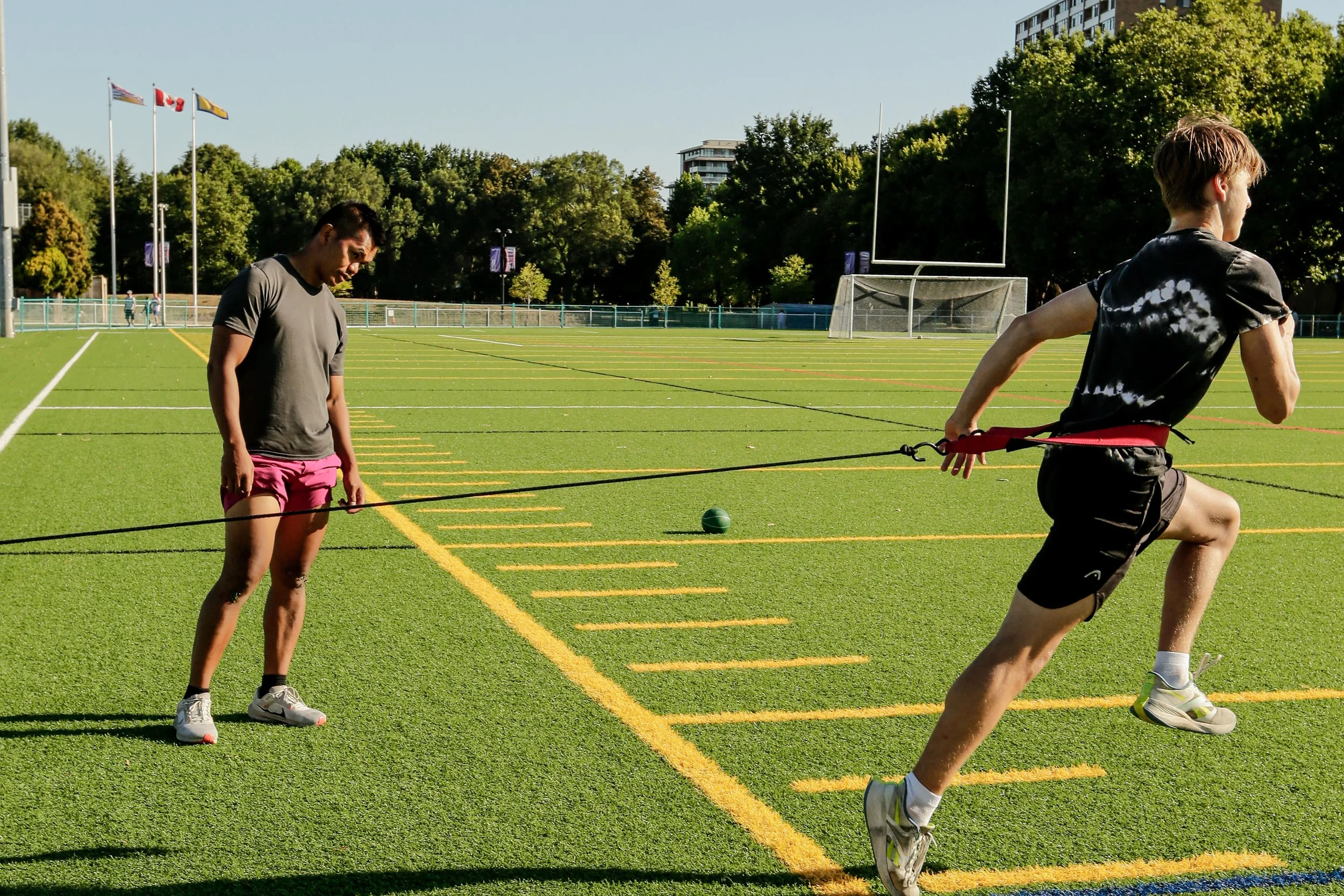
At Inspire Performance, we don’t prepare athletes for the next few weeks — we prepare them for long-term development.
Our LTAD pathway is built on intentional stages that respect growth, maturity, and real-life demands, ensuring each athlete gets the right work at the right time.
LONG-TERM ATHELETIC dEVELOPMENT
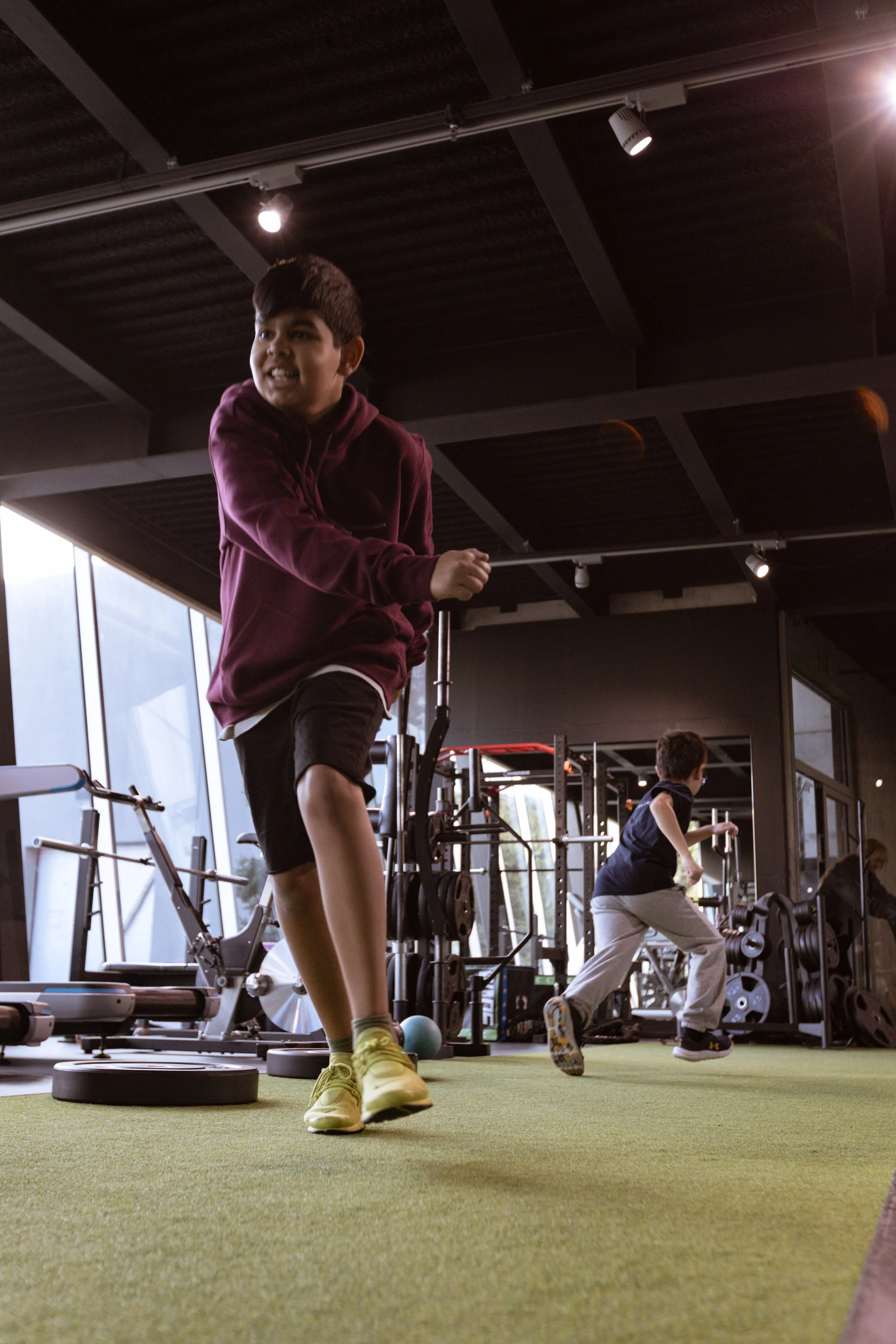
At this stage, children are learning about their bodies and the world around them. Their coordination, balance, and spatial awareness are developing, and their attention spans are naturally short. The focus is on fun, broad movement exposure.
Through games, playful challenges, and varied activities, coaches help children explore running, jumping, throwing, catching, climbing, and balancing. These experiences build foundational movement skills while encouraging creativity, problem-solving, and confidence.
The goal is to create adaptable movers who enjoy being active and are prepared for future athletic development, building a strong foundation for the sports they may pursue down the line.
Learn to Play (Ages 6-9)
Development (Ages 10-13)
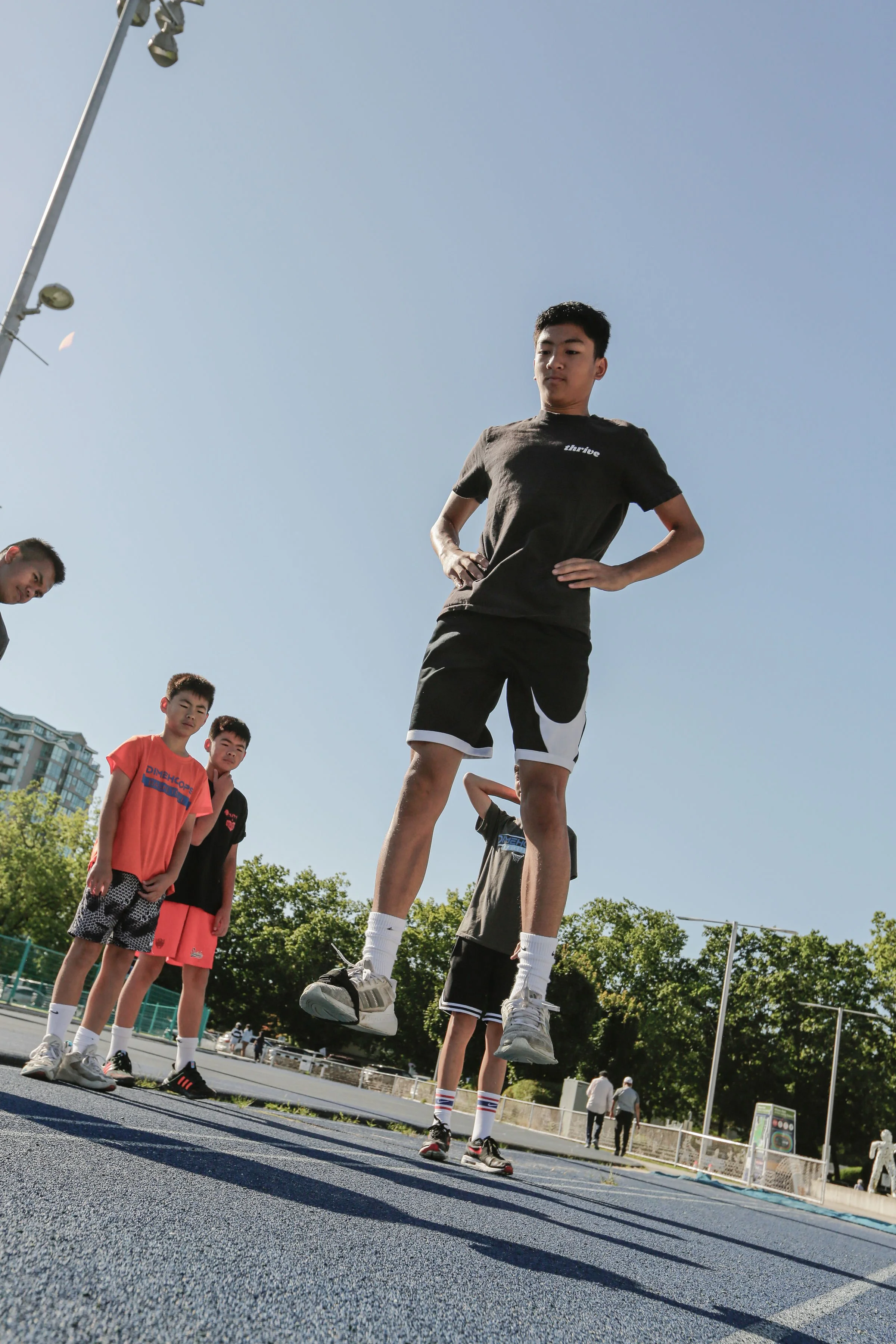
This stage focuses on developing a well-rounded athletic foundation while maintaining a fun and engaging approach to sports. Children are more capable of focus and can handle structured challenges, but variety and exploration remain key.
Coaches guide athletes through activities that develop speed, agility, strength, coordination, flexibility, and power. Emotional and psychological growth is equally important — athletes learn resilience, focus, and how to respond positively to challenge and feedback.
The goal is to prepare young athletes for future demands without rushing them, helping them build confidence, adaptability, and physical literacy so they are ready for the sports and training opportunities that await them.
pREPARATION (Ages 14+)
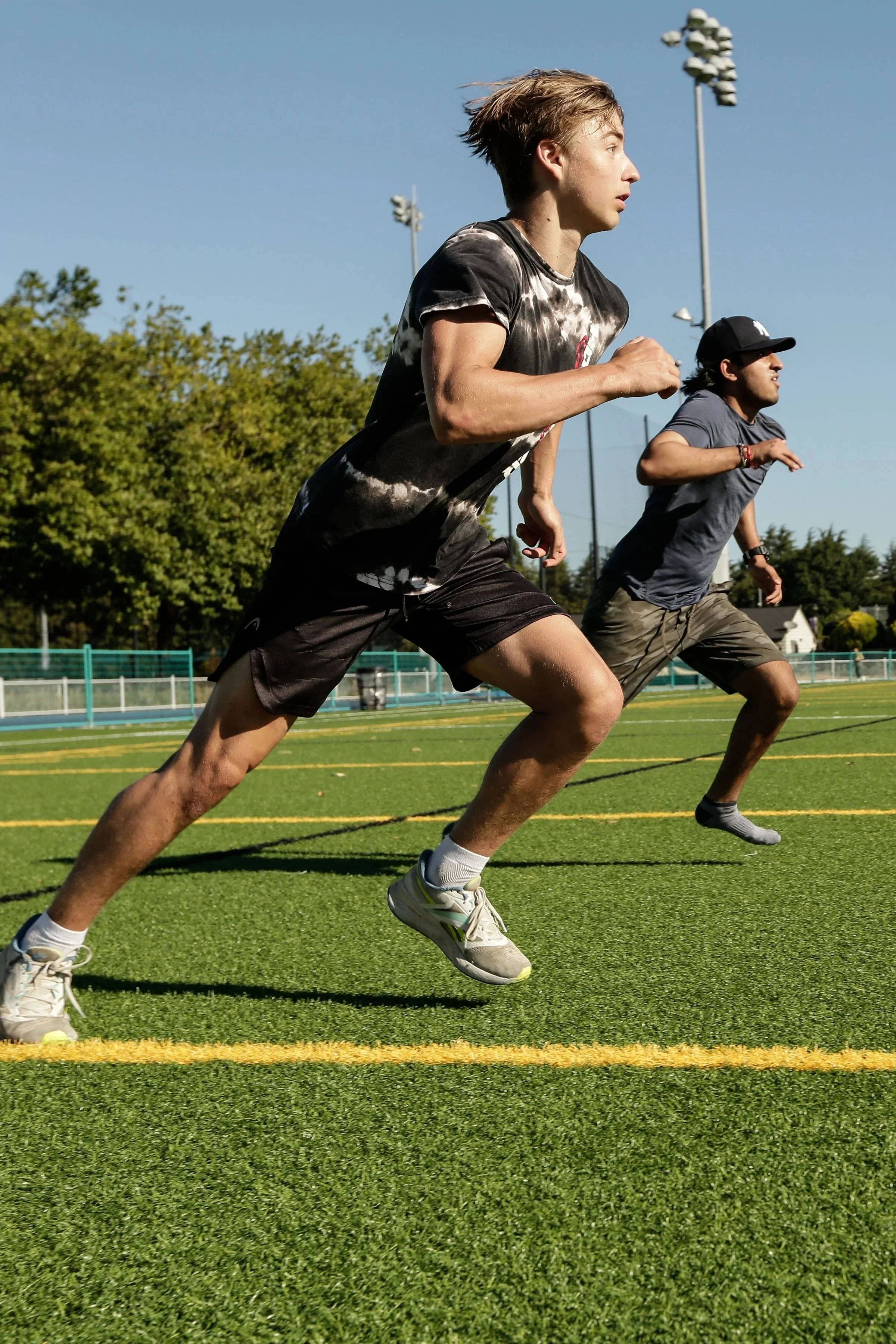
At this stage, athletes continue broad athletic development with one clear goal: to prepare them for the demands of the sports they will pursue in the future. The focus remains on general development, not early specialization, while ensuring athletes are still having fun and enjoying the process.
Coaches guide athletes to refine strength, speed, power, agility, coordination, and flexibility, while also emphasizing emotional resilience, focus, and ownership of training. This phase develops habits, capabilities, and confidence that allow athletes to handle future training demands effectively and sustainably.
The goal is to produce ready athletes, not rushed — physically capable, emotionally confident, and psychologically prepared to thrive as they step into the next stage of their athletic journey. Everything in this stage is about building them for the future of the sports they will play.
Contact us.
inspire2030cb@gmail.com
(604) 916-2018